
Rockstar Games in Turmoil – Union Busting Allegations Cloud GTA 6’s Path to Launch









Popular Now
 Fortnite
 Free Fire Max
 Warframe
 Grand Theft Auto V
 Gacha Club
 Counter-Strike 2
Valorant
Counter-Strike 2
Valorant
 Black Myth: Wukong
 Minecraft
PUBG Mobile
Minecraft
PUBG Mobile 
In a stunning and deeply controversial move that has sent shockwaves through the global video game industry, Rockstar Games, the celebrated studio behind the massively anticipated Grand Theft Auto VI (GTA 6), has terminated a significant number of its staff across its UK and Canadian offices. This development, occurring just months before the projected May 2026 launch of one of the decade’s most valuable entertainment products, has ignited a fierce public battle, with a prominent workers’ union vehemently alleging “ruthless” union-busting activities. This high-stakes corporate drama brings the notoriously unstable nature of game development jobs back into sharp focus, raising critical questions about labor rights and corporate practices in the shadow of multi-billion dollar franchises.
The news broke late last week, confirming that between 30 and 40 employees were dismissed by the AAA studio. While Take-Two Interactive, Rockstar’s parent company, has categorically defended the firings, citing “gross misconduct” as the sole reason, the Independent Workers’ Union of Great Britain (IWGB) has presented a starkly different narrative. According to the union, all affected employees were either members of a trade union or actively involved in internal efforts to organize their colleagues. This direct correlation between the dismissals and union activity has transformed a standard corporate personnel move into a highly charged industrial dispute.
The Core of the Controversy: Misconduct vs. Worker Advocacy
The Developer’s Perspective: Justification and Ambition
A spokesperson for Take-Two Interactive was quick to address the allegations, confirming the dismissals but emphasizing that the decisions were strictly “for gross misconduct, and for no other reason.” They further asserted the parent company’s “full support” for Rockstar’s “ambitions and approach,” underscoring an apparent unified front in the company’s executive strategy. The specific details regarding the nature of the alleged “gross misconduct” have not been publicly disclosed, a common practice in sensitive employment disputes, yet one that inevitably fuels speculation among the public and industry analysts.
For a studio like Rockstar, which has maintained an elevated level of security—especially following the massive GTA 6 footage leak in 2022—any breach of corporate policy, particularly those concerning security or data integrity, would likely be viewed with the utmost severity. The studio had previously mandated a five-day-a-week return-to-office policy, partially justified by the need to tighten security protocols and ensure a high-velocity development cycle as the release date approaches. This context of heightened internal pressure and security concerns provides a potential framework for the company’s “gross misconduct” claim.
Union’s Decrial: A “Ruthless Act of Union Busting”
The response from the IWGB has been unequivocal. The union’s president, Alex Marshall, condemned the firings as “one of the most egregious and ruthless acts of union suppression in the history of the UK games industry.” The IWGB contends that the timing and targeting of the dismissals—specifically impacting employees involved in a private Discord group discussing unionization—constitute a blatant violation of worker rights.
 The union has publicly stated that it will not “back down” and is prepared to pursue legal action to seek the reinstatement of its members and “interim relief,” highlighting the severe impact on the individuals concerned, particularly those on company-sponsored visas or those dependent on workplace healthcare for pre-existing medical conditions. This situation casts a harsh light on the vulnerability of workers within the high-profit, high-pressure gaming development ecosystem, a sector where the demand for a massive product like GTA 6 can often come at the expense of employee well-being and stability.
Broader Industry Implications and the Road to GTA 6
The Precedent of Instability in Gaming Sector Jobs
This event, regardless of the ultimate finding regarding misconduct or union-busting, underscores a pervasive trend of instability within the broader gaming sector. Despite record revenues and the immense profitability of flagship franchises, the industry has experienced a relentless wave of tech layoffs and studio closures over the past two years. The cuts at Rockstar follow earlier workforce reductions at its parent company, Take-Two, and align with a difficult period for many other major publishers. This creates a challenging environment for developers seeking stable, long-term careers, even on the most successful projects.
The high cost of living and the demand for specialized software development skills often intersect with the long-hours “crunch culture” that has plagued the industry for decades. The push for unionization is a direct response to this precarious work environment, seeking to establish stronger employment protections, fairer compensation, and sustainable work schedules before and after a major, highly profitable game release.
Impact on the Grand Theft Auto VI Development Cycle
While Rockstar and Take-Two have not indicated that these personnel changes will affect the development timeline or the quality of GTA 6, the timing is undeniably sensitive. The final months of a major title’s development—often referred to as “crunch time”—are critical for polishing, bug fixing, and optimization. The unexpected loss of developers, particularly those who may have been involved in key areas, inevitably introduces a measure of disruption, even if the absolute number of employees dismissed is small relative to the total workforce dedicated to the project.
Grand Theft Auto VI is not just a game; it is an event projected to generate unprecedented revenue and cement Rockstar’s market dominance for years to come. Analysts are closely watching how this corporate controversy might indirectly impact morale, internal dynamics, and the meticulous process required to deliver a flawless experience on next-gen consoles. The integrity of the development process is now intrinsically linked to the public perception of the company’s ethical conduct.
Conclusion: A Critical Juncture for the Future of Game Development
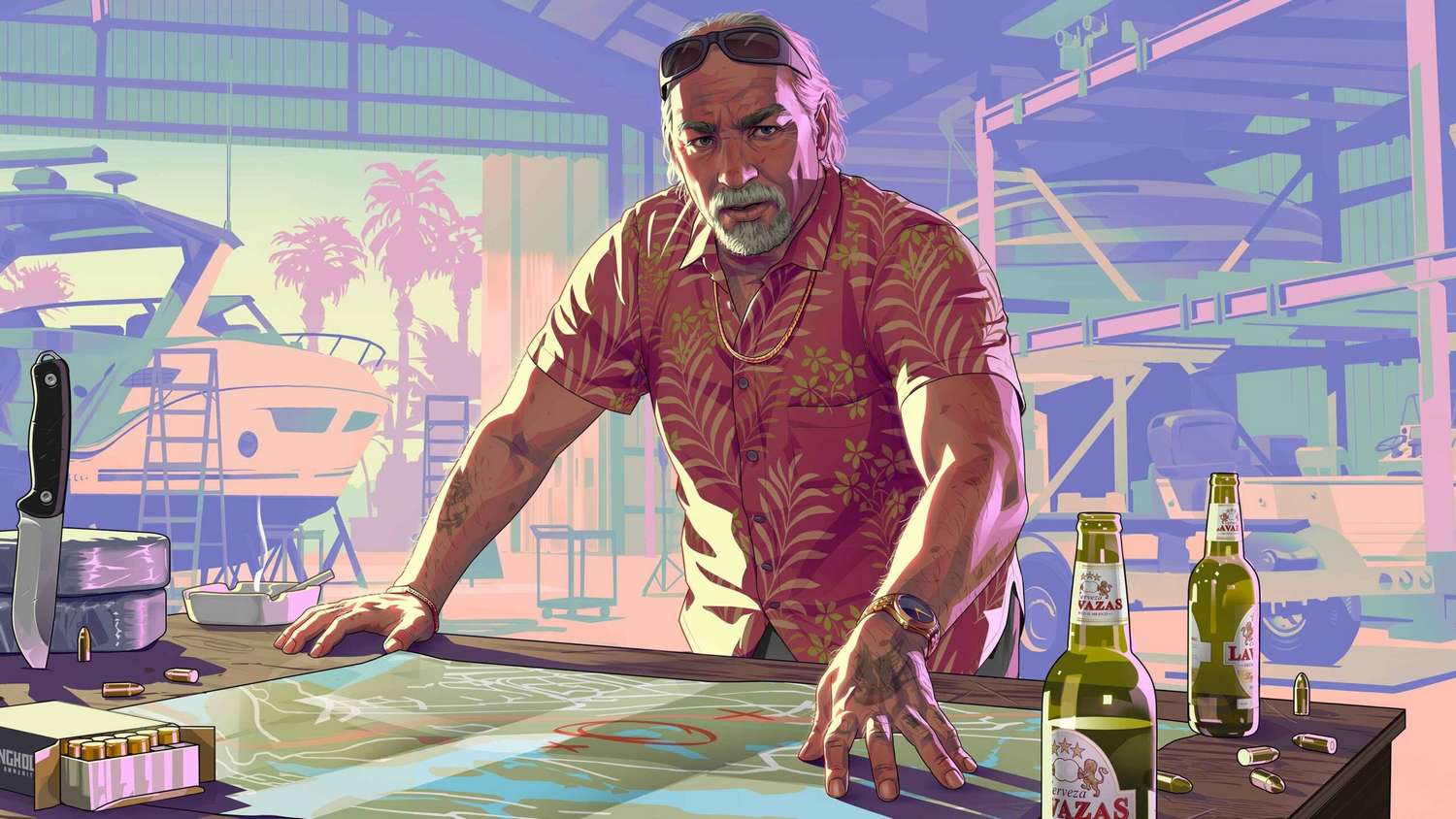 The ongoing dispute between Rockstar Games and the IWGB marks a critical juncture in the ongoing conversation about labor relations within the global video game industry. Whether the firings are ultimately determined to be a justifiable response to “gross misconduct” or an act of anti-union retaliation, the incident has highlighted the intense pressure and high stakes surrounding the development of AAA video games like GTA 6. As the legal battle unfolds, the focus remains on the thousands of developers worldwide who bring these spectacular virtual worlds to life and their struggle for basic workplace security.
This news serves as a stark reminder that even the most successful, profitable companies in the entertainment sector are not immune to profound internal conflicts. The outcome of this case could set a powerful, long-lasting precedent for worker rights and the future structure of game studios globally. Gamers and industry professionals alike will be watching closely to see how the studio navigates this turbulence on the final approach to the highly anticipated launch of Grand Theft Auto VI.