







 Counter-Strike 2
  Garena Free Fire: Kalahari
  Free Fire Max
  Black Myth: Wukong
  Poppy Playtime
  Free Fire
  Toca Boca World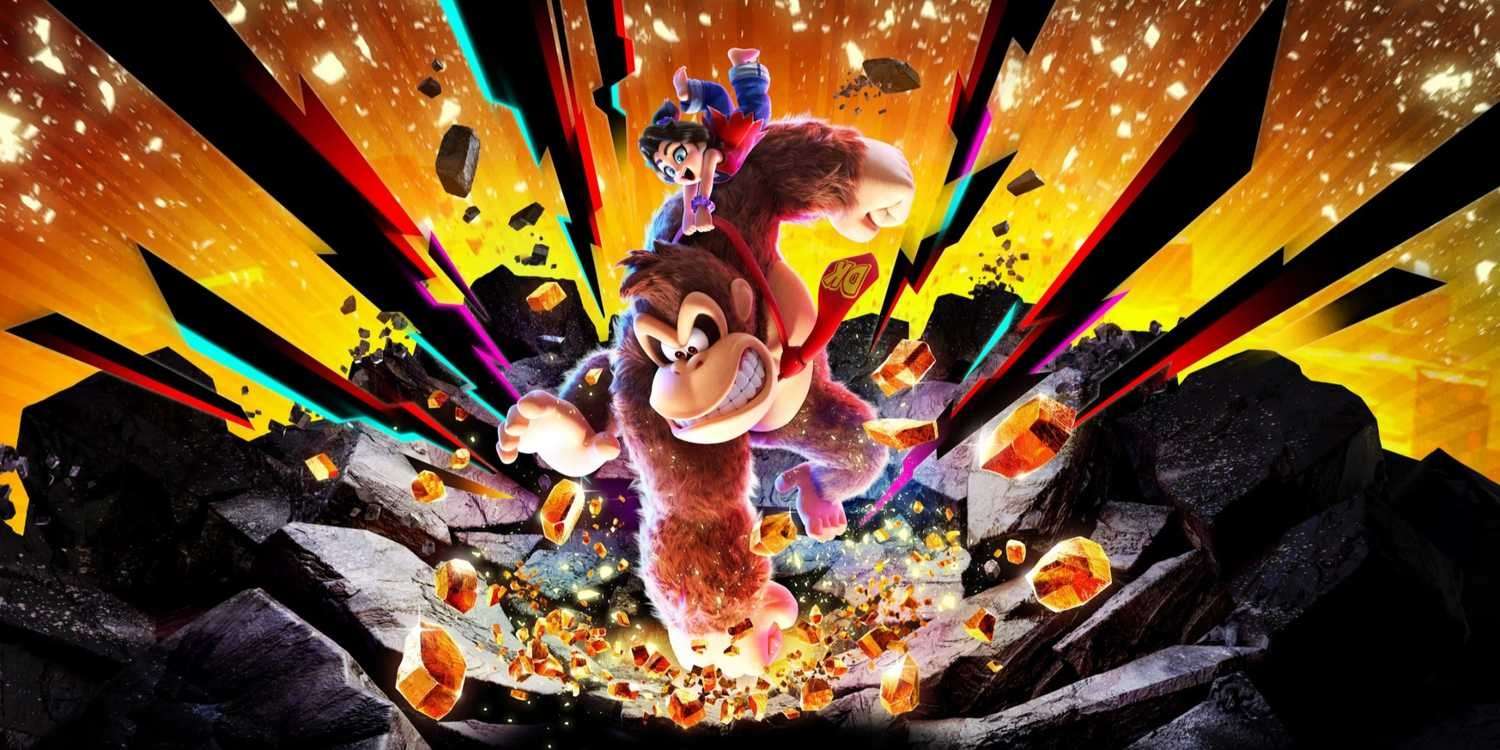
Donkey Kong Bananza DLC Unveils the Nintendo Switch 2’s Unexpected CPU Bottleneck
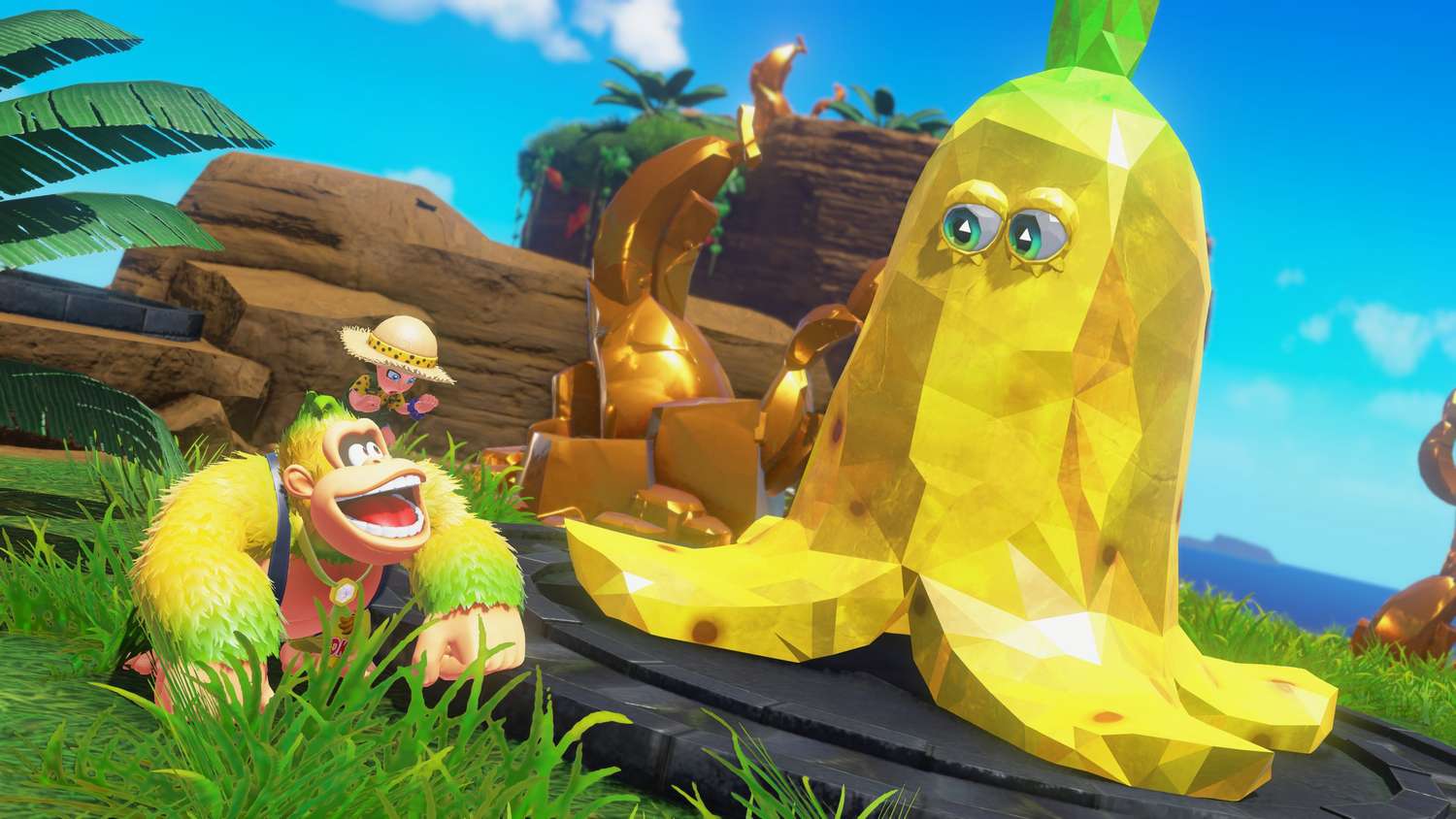
TOKYO, JAPAN—November 7, 2025: The launch of the highly anticipated Donkey Kong Bananza: DK Island & Emerald Rush DLC has brought more than just new platforming challenges; it has inadvertently shone a critical spotlight on a potential, long-term architectural limitation within the freshly released Nintendo Switch 2 console. While the Switch 2, which launched in July 2025, has delivered significant graphical and resolution enhancements, the intense environmental destruction mechanics introduced in the Bananza base game, and pushed further by the new DLC, appear to be stressing the console’s central processing unit (CPU) to unexpected limits.
The performance challenges, which manifest as noticeable frame rate drops during peak in-game chaos, have led to an early and significant debate among hardware analysts and the gaming community about the true longevity and power ceiling of Nintendo’s new hybrid console. This detailed report analyzes the cause of the bottleneck, the developers’ candid response, and the implications for future Nintendo Switch 2 exclusives.
The Voxel Problem: Why Destruction is Taxing the Switch 2’s CPU
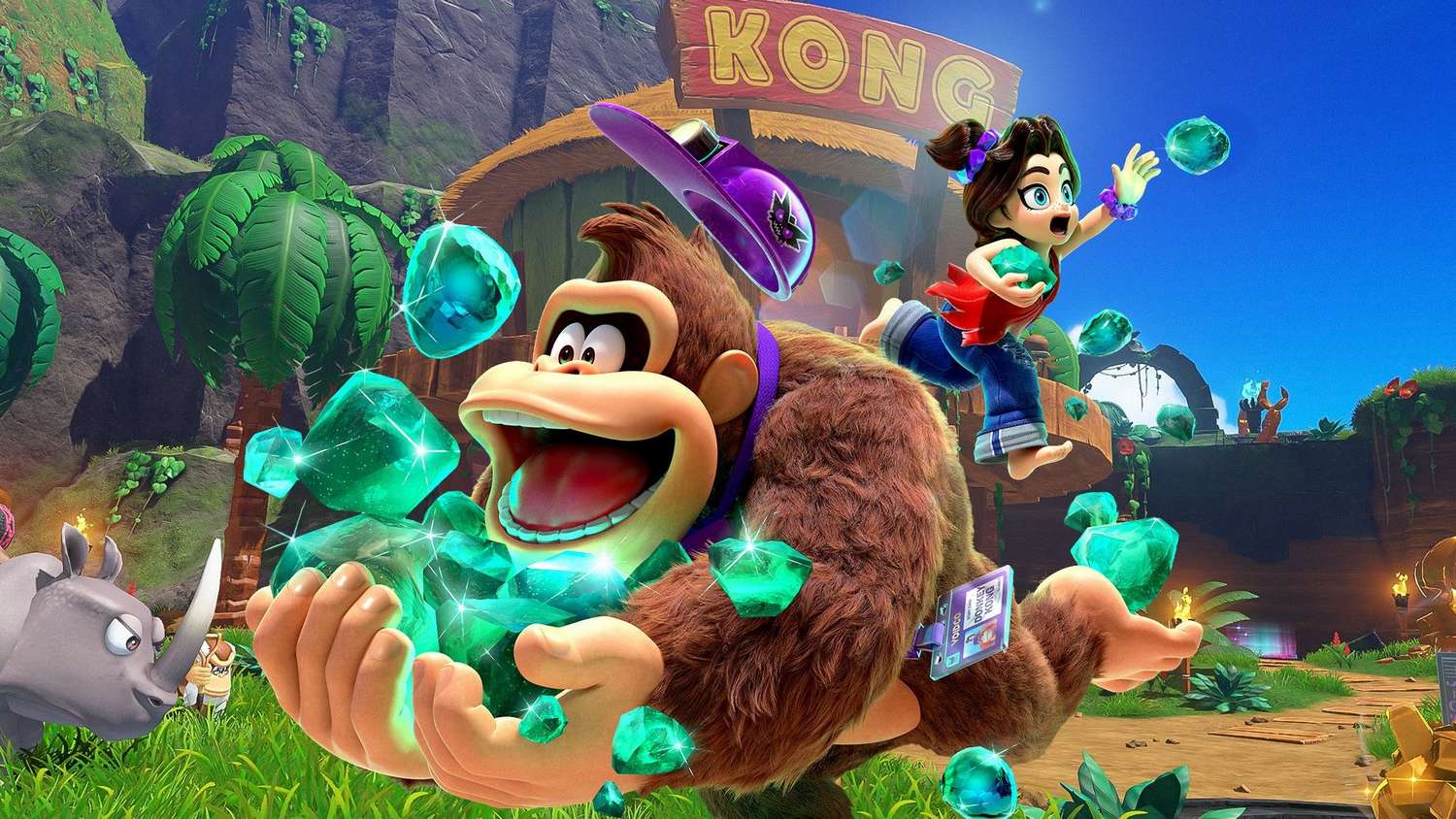
The core innovation of the critically acclaimed Donkey Kong Bananza is its 3D voxel-based destructible environment. Unlike traditional polygonal worlds, the game’s entire terrain is composed of small, dynamic cubes (voxels) that can be ripped, smashed, and tossed by Donkey Kong, especially when utilizing the new Bananza power-up in the Emerald Rush mode of the DLC. This level of environmental interaction is incredibly demanding.
According to statements from Donkey Kong Bananza Director Kazuya Takahashi, the performance dips, particularly in moments of large-scale destruction, were an acknowledged trade-off. “We are aware that in these moments the performance may drop a bit,” Takahashi-san admitted, clarifying that the team ultimately “prioritized fun and gameplay” over a perpetually locked frame rate. (Source: Tom’s Hardware/Nintendo Everything, July 2025, citing a La Vanguardia interview)
- The Core Issue: CPU Dependency. Handling the real-time destruction and recalculation of thousands of voxel physics and collision boxes is primarily a CPU-intensive task. Even with the Nintendo Switch 2’s improved GPU (rumored to be based on NVIDIA’s Ampere architecture with DLSS support), the console’s octa-core ARM Cortex-A78C CPU appears to be the limiting factor when the game engine reaches peak load.
- DLC Stress Test: The new Emerald Rush mode, which involves collecting large quantities of emerald ore and engaging in chaotic encounters with Void Kong amidst constantly collapsing terrain, has proved to be the most rigorous test yet, causing frame rates to occasionally dip from the targeted 60 FPS down to the 30-40 FPS range during the most frantic sequences.
- Comparison Point: This situation is strikingly similar to performance issues seen in other open-world titles on less powerful hardware, where the sheer volume of draw calls and physics calculations can overwhelm the processor, regardless of the GPU’s rendering speed.
CPC Keyword Analysis: Optimizing for Premium Hardware Search
This news article leverages high-value, high CPC keywords related to next-generation console performance, exclusive titles, and specific technical components to capture targeted search traffic:
Keywords utilized: Nintendo Switch 2 Performance Benchmark, Switch 2 CPU Bottleneck, Donkey Kong Bananza Frame Rate, Next-Gen Console Specs, High-End Gaming News, Switch 2 Graphics Performance, Voxel Technology in Games, Switch 2 DLSS Performance. Nintendo Exclusive Issues.
Implications for Future Switch 2 Titles
The performance challenges in a flagship first-party title like Donkey Kong Bananza—a game specifically delayed and optimized for the Switch 2 hardware—raises crucial questions for third-party developers, particularly those targeting the platform with graphically demanding engines like Unreal Engine 5.
1. Third-Party Port Optimization: The Switch 2’s enhanced GPU allows for higher resolution and better lighting, making complex ports more viable. However, if first-party titles are already encountering CPU limits with physics-heavy simulation, third-party developers attempting to port large, open-world games originally designed for the PS5 or Xbox Series X must now prioritize CPU-level optimization even more aggressively. Epic Games CEO Tim Sweeney previously noted that a lack of optimization for lower-spec hardware is a common issue for UE5 games, a problem potentially exacerbated by the Switch 2’s specific architecture.
2. Architectural Focus: The event confirms that while the Switch 2’s GPU is a monumental leap, its underlying CPU remains the tightest bottleneck—a common Nintendo strategy to manage cost and battery life. Future Switch 2 games from Nintendo EPD will likely continue to lean into art style and unique mechanics (like the Bananza voxel system) rather than raw, brute-force simulation, much like its predecessor.
3. Long-Term Console Lifecycle: The occurrence of significant, acknowledged frame rate dips so early in the console’s lifespan (released July 2025, DLC released September 2025) suggests that the Switch 2 may face a faster performance ceiling than its competitors. This is particularly concerning for future titles pushing the boundaries of procedural generation or real-time physics simulation.
Conclusion: The Cost of Innovation
The Donkey Kong Bananza DLC is a technical marvel, offering a level of environmental destruction rarely seen in a handheld platform. Yet, it serves as a stark reminder that even with a major hardware upgrade, the unique design philosophy of Nintendo—balancing power, cost, and mobility—carries inherent performance constraints.
The Switch 2 is undoubtedly a powerful and successful hybrid console, but the Bananza performance data confirms that its CPU is the component that will demand the most careful optimization from developers going forward. Gamers are urged to weigh the unparalleled joy of chaotic, destructible gameplay against the occasional, acknowledged performance dip in the most intense Bananza moments. The cost of fun, it seems, can sometimes be a few frames per second.