
Rooftops & Alleys Review: A Parkour Powerhouse with Performance Potholes and Unfulfilled Potential










Popular Now
 FIFA 23
Among Us
Sonic the Hedgehog™ Classic
FIFA 23
Among Us
Sonic the Hedgehog™ Classic
 Geometry Dash
 The Legend of Zelda
 Poppy Playtime
 CarX Street
 Warframe
 PUBG Mobile
Valorant
PUBG Mobile
Valorant 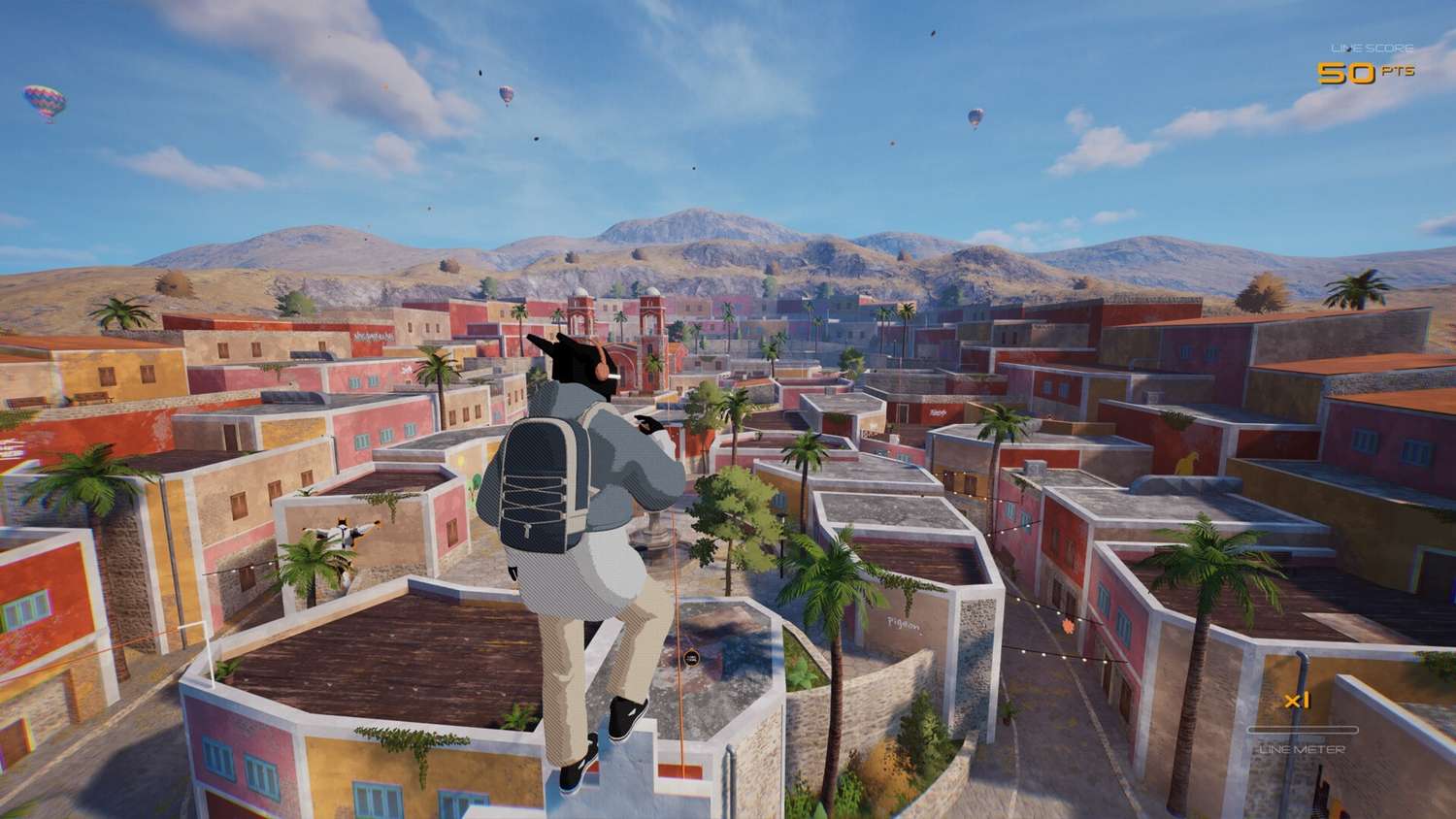
The indie gaming scene constantly pushes boundaries, and few genres capture the imagination quite like parkour. With its promise of breathtaking aerial maneuvers, high-speed chases across urban sprawls, and a seamless blend of athleticism and environmental puzzle-solving, Rooftops & Alleys entered the arena with significant hype. Billed as the next evolution in free-running titles, it aimed to deliver an unparalleled sense of flow and freedom. However, despite its ambitious vision and several moments of undeniable brilliance, the game frequently trips over its own feet, presenting a deeply flawed yet undeniably captivating experience that leaves players yearning for the polished product it could have been.
From the moment you load into its sprawling cityscape, Rooftops & Alleys immediately impresses with its sheer scale and verticality. The environment is a meticulously crafted playground of concrete, steel, and glass, designed to be traversed with speed and ingenuity. The core parkour mechanics, at their best, are incredibly satisfying. Leaping between skyscrapers, wall-running across advertising hoardings, and perfectly timing a slide under a barricade evokes a genuine thrill. The animation system, when it works as intended, contributes significantly to this immersive gameplay, showcasing a fluidity that few competitors manage to achieve. This emphasis on dynamic traversal and player agency is clearly where the development team poured much of their passion, and it shines through in moments of unadulterated free-running joy, establishing it as a contender for the best parkour games.
The game’s open-world structure encourages exploration, allowing players to forge their own paths through the densely packed urban jungle. Hidden collectibles and challenging time trials are cleverly integrated into the environment, rewarding those who master the intricate movement system. The sense of discovery, of finding new routes and perfecting existing ones, is a strong draw. Furthermore, the audio design often complements the visual spectacle; the rush of wind as you plummet, the satisfying thud of a perfect landing, and the distant hum of city life all contribute to a compelling atmosphere. Visually, while not always pushing the envelope of high-fidelity graphics, the art direction is consistent and effective, creating a believable and inviting setting for parkour enthusiasts.
The Cracks in the Concrete: Technical Stumbles and Performance Issues
Unfortunately, the exhilarating highs of Rooftops & Alleys are frequently overshadowed by its frustrating technical shortcomings. The phrase “trips over its own feet” feels particularly apt here, as the game is plagued by a litany of performance issues that severely hamper the overall player experience. Frame rate drops are common, especially in more densely populated areas or during complex sequences involving multiple environmental interactions. This inconsistency can turn a beautifully executed combo into a jarring, stuttering mess, breaking immersion and often leading to misjudged jumps and frustrating falls. For a game that relies so heavily on precise timing and fluid movement, this is a critical flaw that highlights significant game development challenges.
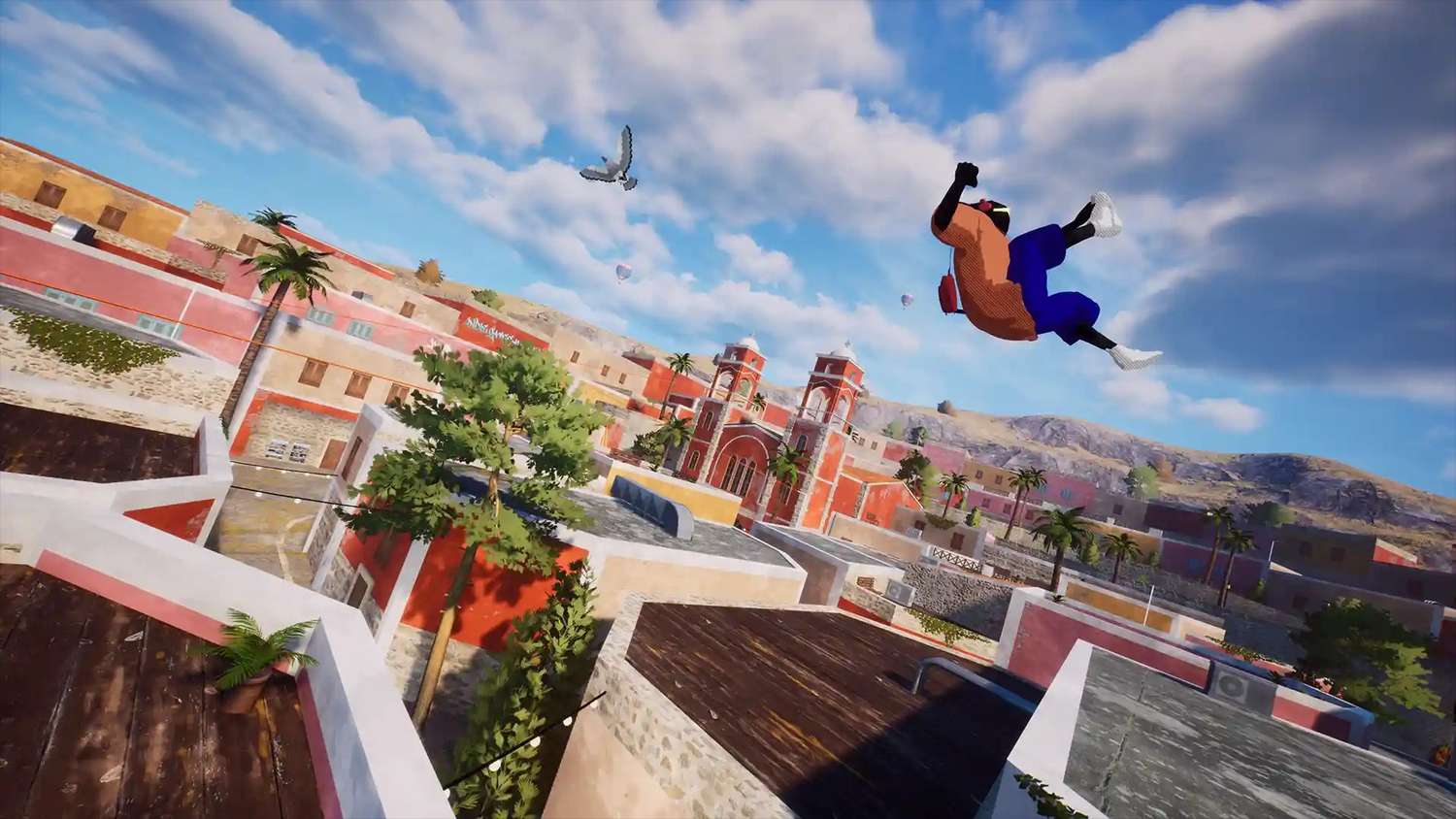 Beyond frame rate inconsistencies, Rooftops & Alleys suffers from a host of bugs and glitches that range from minor annoyances to game-breaking events. Collision detection can be sporadic, leading to instances where players clip through objects they should interact with or get stuck in environmental geometry. Input lag, particularly noticeable during rapid button presses or quick directional changes, adds another layer of unpredictability to a game demanding absolute precision. Missions can occasionally fail to trigger properly, forcing restarts, and AI pathfinding for any non-player characters often leaves much to be desired, further eroding the illusion of a living, breathing world. These optimization challenges point to a rushed development cycle or perhaps an engine pushed beyond its current capabilities, severely impacting the gaming experience for early adopters.
The user interface, while functional, occasionally feels clunky and unintuitive, adding unnecessary friction to an experience that should prioritize seamless engagement. Navigating menus, tracking objectives, or even understanding certain gameplay mechanics sometimes requires more effort than it should. While an update roadmap has been hinted at by the developers, promising bug fixes and performance enhancements, the current state of the game at launch presents a significant hurdle for many gaming enthusiasts. Early adopters, particularly those invested in digital entertainment on current-generation consoles or high-end PCs, expect a certain level of polish, and Rooftops & Alleys struggles to meet these modern standards, impacting its potential as a top parkour game.
Unfulfilled Potential and the Road Ahead for Game Development
Despite these significant flaws, it’s crucial to acknowledge the immense potential simmering beneath the surface of Rooftops & Alleys. When the stars align – when the frame rate is stable, the inputs register perfectly, and no unforeseen bug intervenes – the game offers glimpses of truly innovative parkour gameplay. The core concept of an open-world free-running experience with deep movement mechanics is incredibly compelling. It’s a game that begs for a second chance, for a series of comprehensive updates that can iron out its numerous kinks and allow its inherent brilliance to shine unencumbered, solidifying its place in the video game industry.
The developers face a substantial task in addressing the community feedback, which has been vocal regarding the game’s technical state. Investing in robust post-launch support, including dedicated bug-fixing patches and performance overhauls, will be paramount for its long-term viability and to salvage its reputation. The gaming industry has seen numerous examples of titles that launched in a rough state only to be redeemed by consistent developer efforts, transforming into beloved classics. No Man’s Sky and Cyberpunk 2077 serve as powerful reminders that a committed development team can turn the tide. For Rooftops & Alleys, this redemption arc is not just possible, but arguably necessary for it to realize its ultimate vision as a top-tier parkour game and escape its current critical reception.
 In conclusion, Rooftops & Alleys is a game of stark contrasts. It is a bold, ambitious title that delivers moments of exhilarating freedom and innovative movement, setting a new bar for how urban environments can be traversed in video games. Yet, it is simultaneously an unpolished product, marred by technical inconsistencies and performance issues that frequently pull players out of the experience. It stands as a testament to creative vision, but also as a cautionary tale about the challenges of game development and the importance of delivering a stable, optimized release. For those willing to look past its current rough edges, there’s a genuinely good parkour game striving to break free. For others, it might be best to wait for future updates to bridge the gap between its ambitious promise and its current stumbling reality, making it a more worthwhile investment for gaming enthusiasts seeking refined digital entertainment.