
Call of Duty Black Ops: Tracing the Franchise’s Fading Identity and Narrative Core










Popular Now
 Rust
Rust
 CarX Street
 Minecraft
 Counter-Strike 2
 Sonic the Hedgehog™ Classic
Stumble Guys
Geometry Dash
Sonic the Hedgehog™ Classic
Stumble Guys
Geometry Dash
 Gacha Club
 Toca Boca World
 Roblox
The Shadow of What Was: Call of Duty Black Ops’ Lost Identity
For a generation of gamers, the name ‘Black Ops’ within the Call of Duty universe conjured images of dark espionage, psychological warfare, and morally ambiguous choices set against the backdrop of the Cold War. The original Call of Duty: Black Ops, developed by Treyarch, was a masterclass in weaving complex narratives with visceral first-person shooter action. It wasn’t just a game; it was an experience steeped in historical intrigue, featuring compelling characters and shocking revelations. However, as the franchise has evolved, many long-time fans and industry critics argue that the core essence of what ‘Black Ops’ truly meant has been progressively eroded, leaving a sub-franchise struggling to define itself beyond its acclaimed multiplayer offerings.
The initial entries in the series, particularly Black Ops I and Black Ops II, established a high benchmark for storytelling within the FPS genre. These titles delved deep into the murky waters of covert operations, secret government experiments, and the personal toll of war. They explored themes of betrayal, manipulation, and the blurring lines between good and evil, often challenging players’ perceptions of heroism. The single-player campaigns were celebrated for their innovative narratives, dynamic set-pieces, and the weighty decisions players sometimes faced. This commitment to a unique narrative identity, distinct from the more straightforward military narratives of other Call of Duty sub-franchises, was a significant draw for a discerning player base.
From Espionage Thriller to Futuristic Spectacle: The Narrative Drift
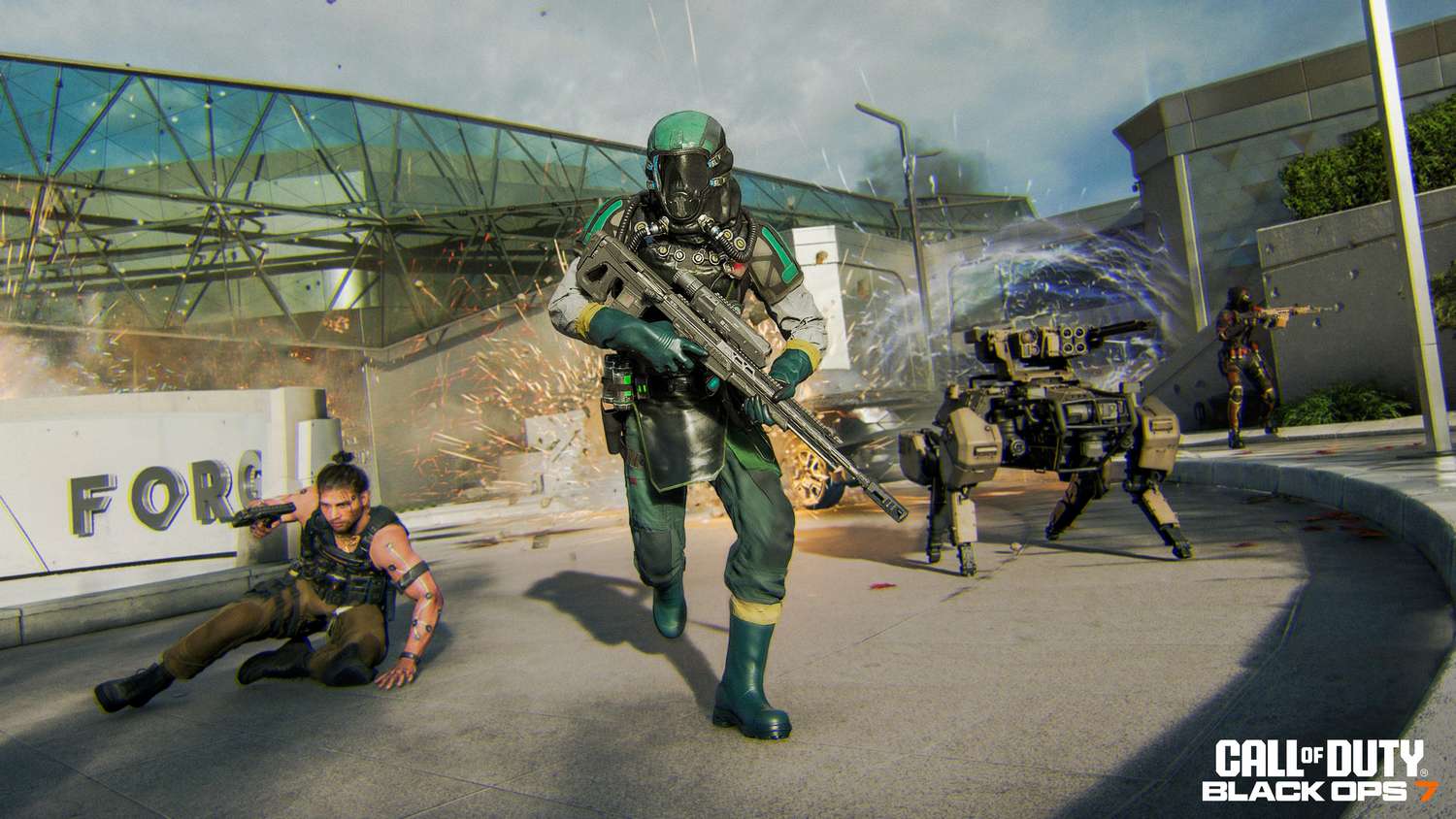
The turning point, arguably, began with Black Ops III. While a commercial success and lauded for its robust multiplayer and Zombies mode, the campaign ventured into a futuristic, cybernetically enhanced setting that felt disconnected from the grounded, gritty espionage of its predecessors. The narrative, though ambitious, lacked the historical anchor and raw psychological depth that defined the earlier games. It marked a significant departure, moving away from the Cold War era and into speculative fiction, thus diluting the very ‘black ops’ meaning of clandestine, often historically inspired, operations.
The subsequent release of Call of Duty: Black Ops 4 further complicated matters by entirely omitting a traditional single-player campaign. While it leaned heavily into the popular battle royale trend with Blackout and expanded its popular multiplayer and Zombies modes, the absence of a narrative core left a void for players who cherished the series for its rich storytelling. This decision, driven by market trends and the increasing development costs of expansive campaigns, signaled a shift in priority from narrative innovation to multiplayer longevity and monetization opportunities. For many, this was the clearest indication that the original vision for ‘Black Ops’ was being sidelined.
Cold War’s Attempt at Reclamation and its Shortcomings
Call of Duty: Black Ops Cold War, released in 2020, was heralded as a return to the series’ roots. Set directly in the 1980s Cold War, it promised a narrative steeped in espionage, featuring familiar characters like Mason, Woods, and Hudson. The game indeed made strides in recapturing the tone and setting of the original, offering a campaign with branching choices and multiple endings. However, despite its efforts, it struggled to fully reclaim the narrative gravitas and emotional resonance of Black Ops I. The campaign, while enjoyable, felt somewhat constrained by its need to integrate into the broader Call of Duty universe, particularly the burgeoning Warzone ecosystem. It aimed for profundity but often felt like a series of interconnected missions rather than a tightly woven psychological thriller.
Furthermore, the integration of Black Ops Cold War‘s multiplayer and progression systems with Modern Warfare and Warzone, while beneficial for cross-play and user retention, further blurred the distinct identities of the sub-franchises. The unique aesthetic and gameplay mechanics that once defined ‘Black Ops’ began to blend into a more generic Call of Duty experience, driven by live service monetization and battle pass structures.

The Business of Franchises: Why Identity Fades
The continuous evolution of the Call of Duty franchise, and specifically the Black Ops sub-series, is undeniably influenced by broader gaming industry trends and financial pressures. The immense commercial success of multiplayer components, coupled with the rising costs of AAA game development, naturally shifts focus towards elements that guarantee long-term engagement and recurring revenue. This often means prioritizing robust online experiences, seasonal content, and cosmetic microtransactions over deep, single-player narratives that may only be experienced once.
For publisher Activision Blizzard, maintaining a consistent flow of content across its tentpole franchises is paramount. This strategic imperative can sometimes lead to decisions that, while financially sound, may inadvertently dilute the unique selling points of individual game lines. The Black Ops name, now a powerful brand in itself, is perhaps being leveraged more for its recognition than for its intrinsic thematic value. The question then becomes: is the ‘Black Ops’ moniker now just a brand label applied to various Call of Duty installments, or does it still represent a distinct creative vision?
Impact on Player Experience and Brand Loyalty
The fading of Black Ops’ original meaning has tangible consequences for the player experience. Long-time fans who gravitated towards the series for its unique narrative depth and thematic exploration may feel increasingly alienated. The promise of covert operations and moral ambiguity often gives way to high-octane action sequences that, while exciting, lack the psychological punch that once defined the brand. This can lead to a sense of nostalgia for past entries, with newer games struggling to forge the same emotional connection.
- Diluted Expectations: Players now approach new ‘Black Ops’ titles with a broader, less specific set of expectations, often focused more on multiplayer innovation than campaign quality.
- Brand Confusion: The distinct identities of Call of Duty sub-franchises (Modern Warfare, Black Ops, Advanced Warfare, etc.) become less defined, potentially leading to brand fatigue.
- Loss of Niche Appeal: The unique blend of historical fiction and psychological thriller that drew a specific audience to Black Ops may be lost in an effort to appeal to the widest possible market.
The challenge for Treyarch and Activision moving forward is to balance commercial viability with creative integrity. Can the Black Ops name regain its narrative potency while simultaneously delivering on the demands of a modern live-service game? Or will it continue down a path where its once-distinct identity becomes merely a footnote in the larger Call of Duty saga?
Reclaiming the Narrative: A Path Forward?
For the ‘Black Ops’ series to truly reclaim its legacy, a deliberate and concerted effort to reconnect with its foundational principles would be necessary. This doesn’t necessarily mean a literal return to the Cold War in every installment, but rather an embrace of the spirit of clandestine warfare, moral complexity, and gripping psychological narratives, regardless of the era. Prioritizing robust, character-driven single-player campaigns that truly explore the ‘black ops’ ethos, alongside engaging multiplayer, could reignite the passion of both old and new fans.
A focus on intricate storytelling, deep character development, and a willingness to explore uncomfortable themes, rather than solely relying on spectacle, would differentiate the sub-franchise once again. The market for narrative-rich experiences remains strong, and Call of Duty’s ‘Black Ops’ once proved it could deliver both thrilling gameplay and profound storytelling. The financial performance of future titles will undoubtedly guide strategic decisions, but for the sake of the series’ soul, a critical examination of what ‘Black Ops’ fundamentally means is long overdue. Only then can the franchise truly escape the shadow of its past glories and forge a meaningful future.