
Blizzard Reverts Controversial Overwatch 2 Competitive Stadium Change After Swift Player Backlash










Popular Now
 Black Myth: Wukong
 Free Fire Max
Genshin Impact
Free Fire Max
Genshin Impact
 CarX Street
 Schedule I
 Toca Boca World
 Fortnite
 Valorant
Sonic the Hedgehog™ Classic
Valorant
Sonic the Hedgehog™ Classic
 Stumble Guys
Blizzard Entertainment, the developer behind the immensely popular hero shooter Overwatch 2, has performed a rapid and significant course correction, confirming that the competitive version of the popular Stadium game mode will revert to its original format. The change, which saw Competitive Stadium matches shortened from a Best-of-7 (Bo7) format to a Best-of-5 (Bo5) format with the launch of Season 19, was met with intense and widespread criticism from the dedicated player base.
The developers, through an official post from Overwatch 2 Game Director Aaron Keller, acknowledged the community feedback, stating that the shorter format “hasn’t felt quite right.” Starting immediately, the competitive playlist for the dynamic, hero-building mode will officially return to its deeper, more strategic Best-of-7 structure. This is a crucial victory for the high-skill competitive gaming community and a testament to the power of player feedback in the live-service environment.
📉 Why the Best-of-5 Format Failed Competitive Stadium
The Stadium mode, a unique, round-based, hero-customization experience within Overwatch 2, has cultivated a highly engaged, core audience since its introduction. Its appeal lies in its strategic depth, where players use in-game cash earned each round to purchase hero perks and powerful build items, progressively customizing their character to counter the enemy team.
When Season 19 launched, the developer’s intention behind the Bo5 change was clear: reduce match length and improve queue times—a common pursuit in competitive FPS games. However, the move fundamentally disrupted the mode’s core gameplay loop and strategic value:
- Reduced Build Strategy: The longer Bo7 format allowed teams to save cash, observe enemy compositions, and implement a full counter-build strategy by the mid-rounds. Shortening the match drastically reduced the number of rounds available, forcing players to rush their builds and limiting the strategic flexibility the mode was known for.
- Loss of Comeback Potential: In the original format, a team that was down 0-3 still had four rounds to execute a comeback, often after unlocking powerful mid-game hero powers that allowed them to reverse the flow. The Bo5 structure made the matches feel “snowbally,” ending the game before the more strategic, high-stakes turns could occur.
- Erosion of Competitive Identity: Dedicated players felt the shorter format blurred the line between the deep, ranked Competitive Stadium and the more casual, faster-paced Quick Play Stadium mode. The unique sense of investment and progression that defined the high-rank gameplay was significantly diminished.
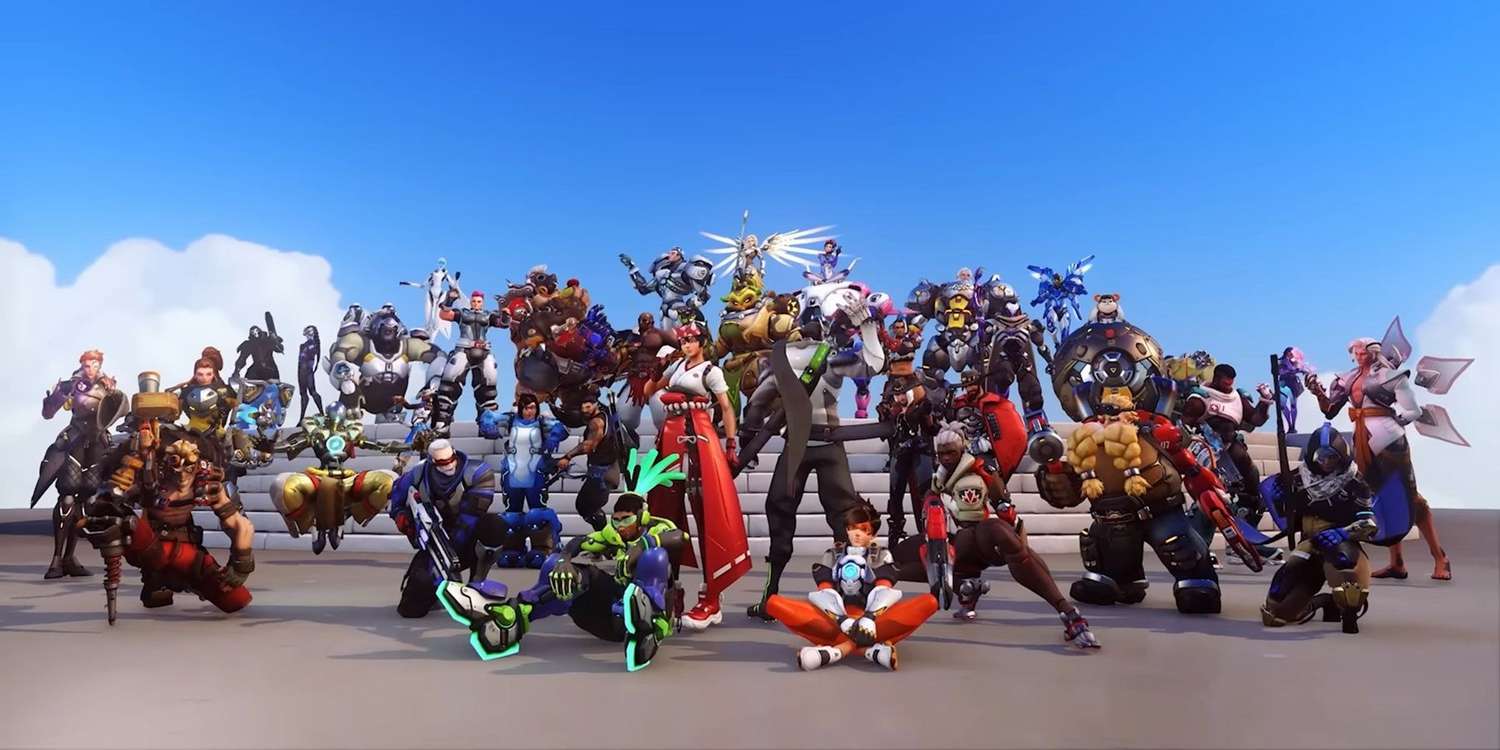 Player sentiment quickly soured, with threads on social platforms and the official Overwatch Forums rapidly accumulating feedback, making the issue a top-tier item for the development team.
⚙️ The Technical Reversion: A Victory for Core Gameplay
The official announcement confirming the reversion of the Competitive Stadium mode to Best-of-7 emphasized that the longer match structure is necessary to reintroduce the “room for strategy, comebacks, and team adaptation” that the community valued. This decision demonstrates Blizzard’s commitment to prioritizing the integrity of a highly successful innovative game mode over purely metrics-driven changes.
This rapid change is a crucial moment for the Overwatch 2 live-service model. It signals a willingness to listen to the competitive community, whose engagement is vital for the long-term health of any esports-adjacent title. The backlash was not merely against the length of the matches, but against the loss of depth that the length facilitated—a crucial distinction for a strategic PVP environment.
Summary of the Reversion:FeaturePre-Season 19 (Original)Season 19 (Controversial Change)Post-Revert (Current)Match FormatBest-of-7 (Bo7)Best-of-5 (Bo5)Best-of-7 (Bo7)Strategic DepthHigh (Time for counter-builds and comebacks)Low (Rushed builds, snowbally wins)High (Restored)AvailabilityCompetitive Stadium QueueCompetitive Stadium QueueCompetitive Stadium QueueShorter OptionN/AQuick Play Stadium (Remains Bo5)Quick Play Stadium (Remains Bo5)💡 The Broader Context: Overwatch 2 Season 19 Updates
While the format change was the most controversial point, Overwatch 2 Season 19: Haunted Masquerade introduced several other notable updates to the Stadium mode and the core game. These changes continue to reflect the developers’ goal of keeping the online gaming ecosystem fresh and strategically deep:
- New Heroes in Stadium: The mode welcomed new heroes, including Torbjörn, Sojourn, and Hazard, adding fresh complexity to team compositions and build options.
- Introduction of Gadgets: A new class of consumable, active items, known as Gadgets, were introduced, offering players a one-time “ace up the sleeve” ability during a match.
- Armory and UI Improvements: Quality-of-life updates included an upgraded Armory system with better filters, sub-tabs, and new combat text options, allowing players to view their damage and healing numbers on-screen.
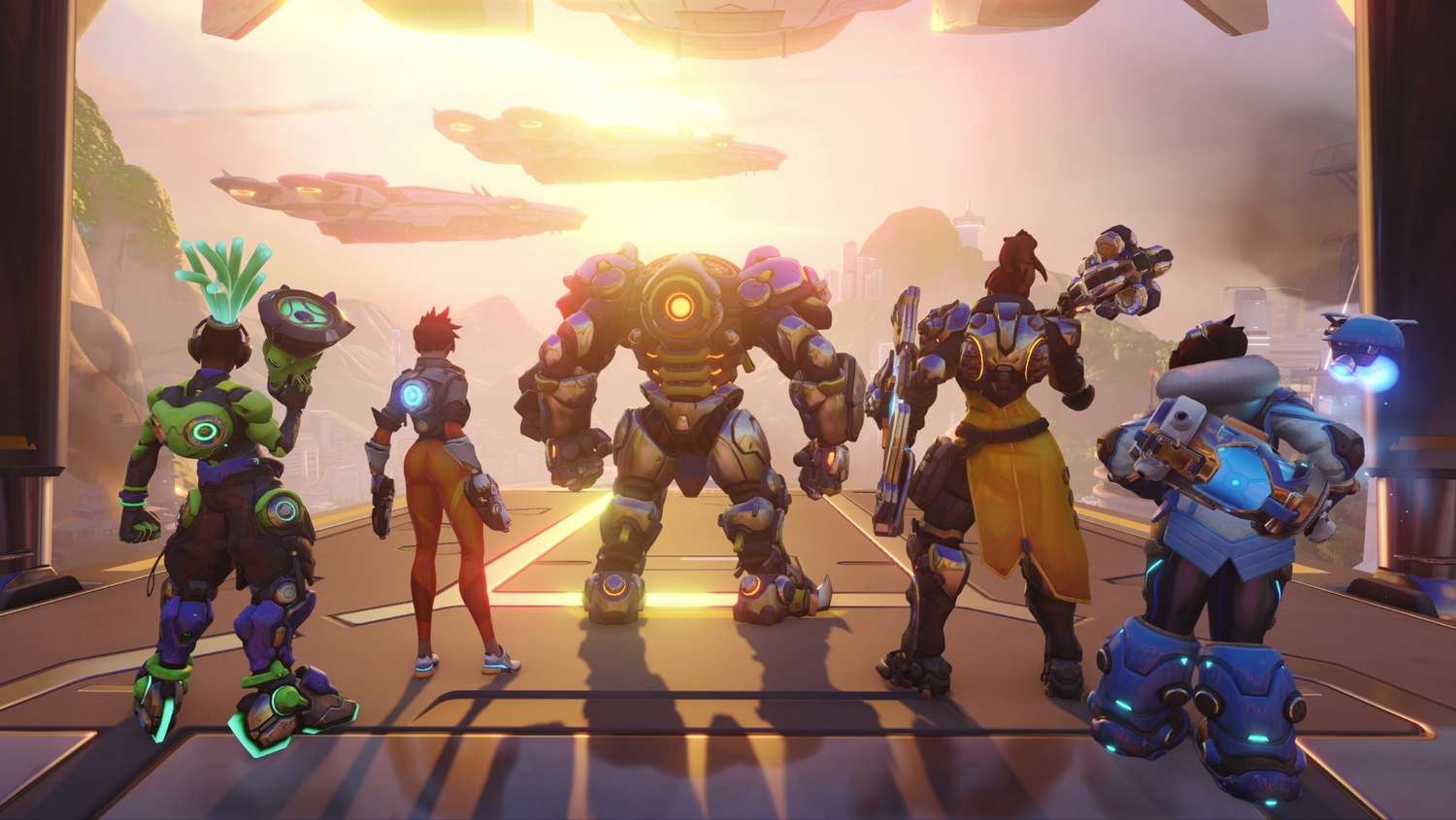 The immediate reversion of the match format ensures that these new additions—the heroes, the gadgets, and the improved UI—can now be experienced in the rich, strategic environment that the competitive players prefer. The distinction between the casual Quick Play Stadium (Bo5) and the strategic Competitive Stadium (Bo7) is now clearly defined once again, satisfying both those who seek a quick FPS fix and those who crave deep competitive strategy.
This quick response from Blizzard serves as a powerful reminder that in the live-service gaming industry, community engagement and the preservation of a mode’s core identity are paramount to player retention and long-term success. The competitive players have spoken, and the developers have emphatically listened, securing the future of one of Overwatch 2’s most innovative features.