
Ra Ra BOOM Review: Sci-Fi Cheerleaders Struggle for Cohesion and Precision in an Ambitious Brawler








Popular Now
 Candy Crush Saga
 Among Us
 Brawl Stars
 Grand Theft Auto V
 Call of Duty
 Garena Free Fire: Kalahari
 Toca Boca World
 R.E.P.O
 Free Fire Max
 Stumble Guys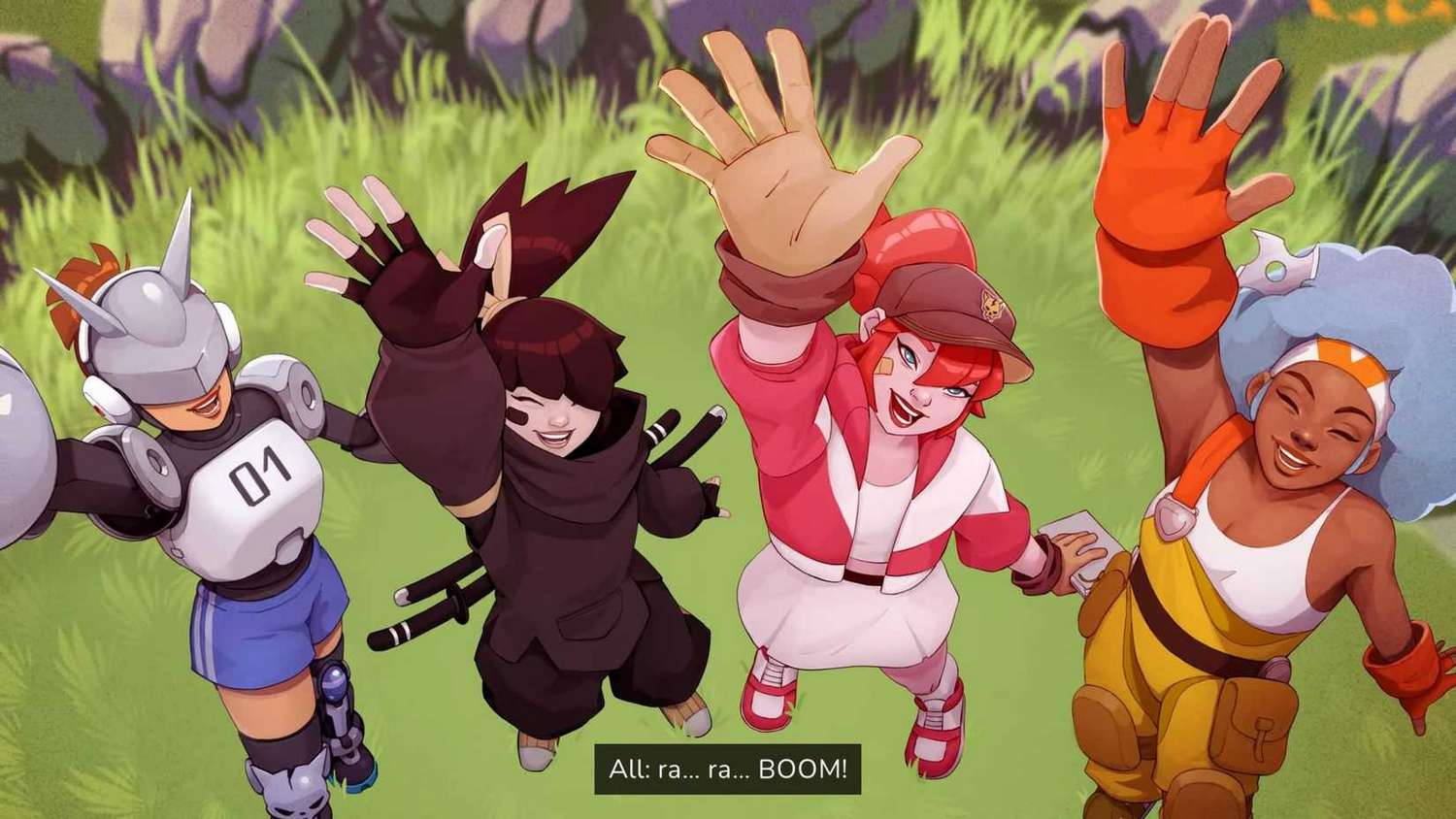
Ra Ra BOOM Review: Sci-Fi Cheerleaders Struggle for Cohesion and Precision in an Ambitious Brawler
In the vibrant, often chaotic landscape of indie gaming, titles frequently emerge with truly unique concepts that captivate attention. Ra Ra BOOM, with its premise of intergalactic cheerleaders battling alien threats, certainly falls into this category. The game promises a high-energy, cooperative sci-fi brawler experience, blending rhythmic combat with strategic team play. However, despite its undeniable charm and innovative core idea, the execution leaves much to be desired, presenting a gameplay loop that often feels more like a struggle against its own mechanics than a triumphant display of synchronized combat.
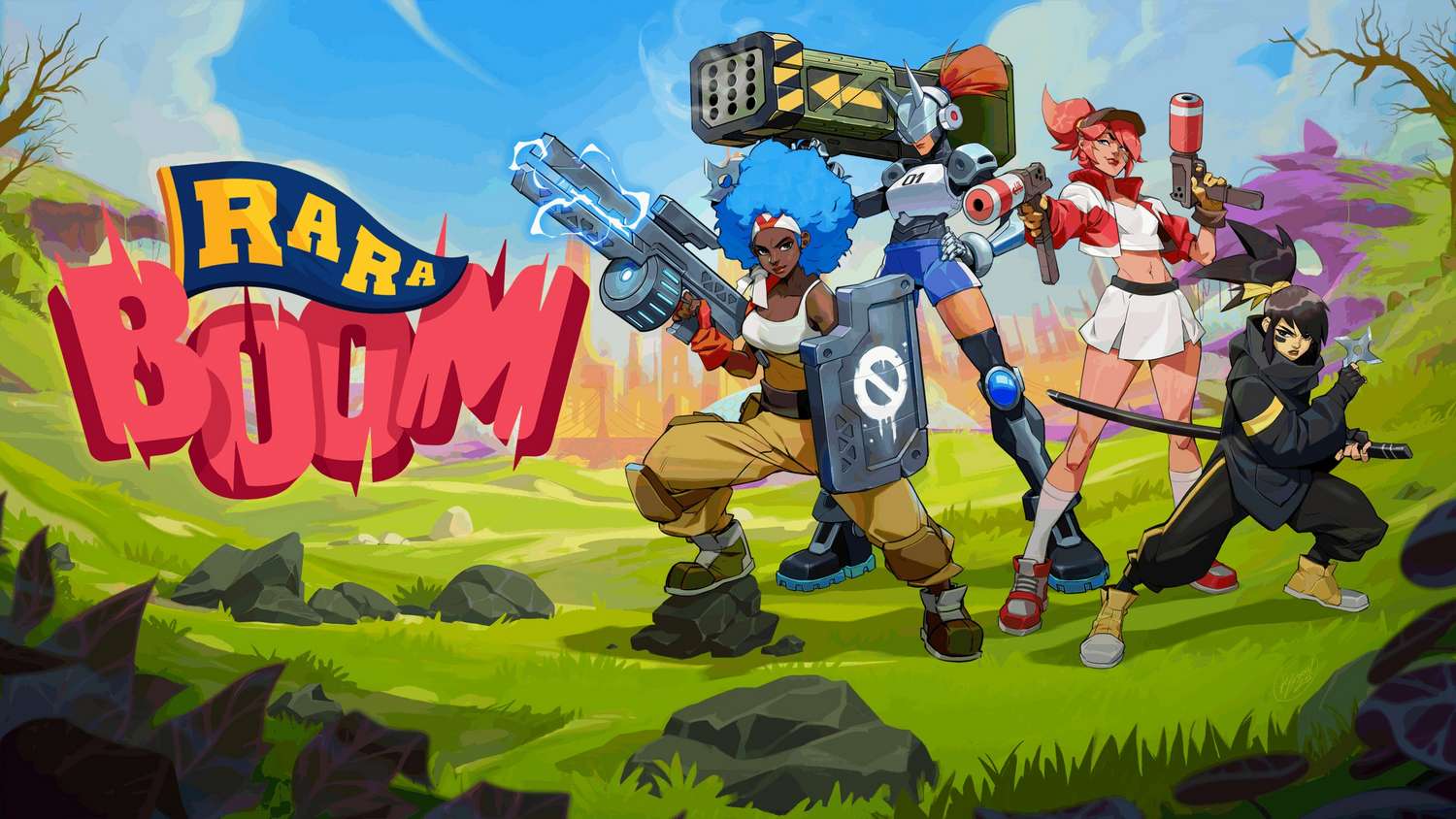
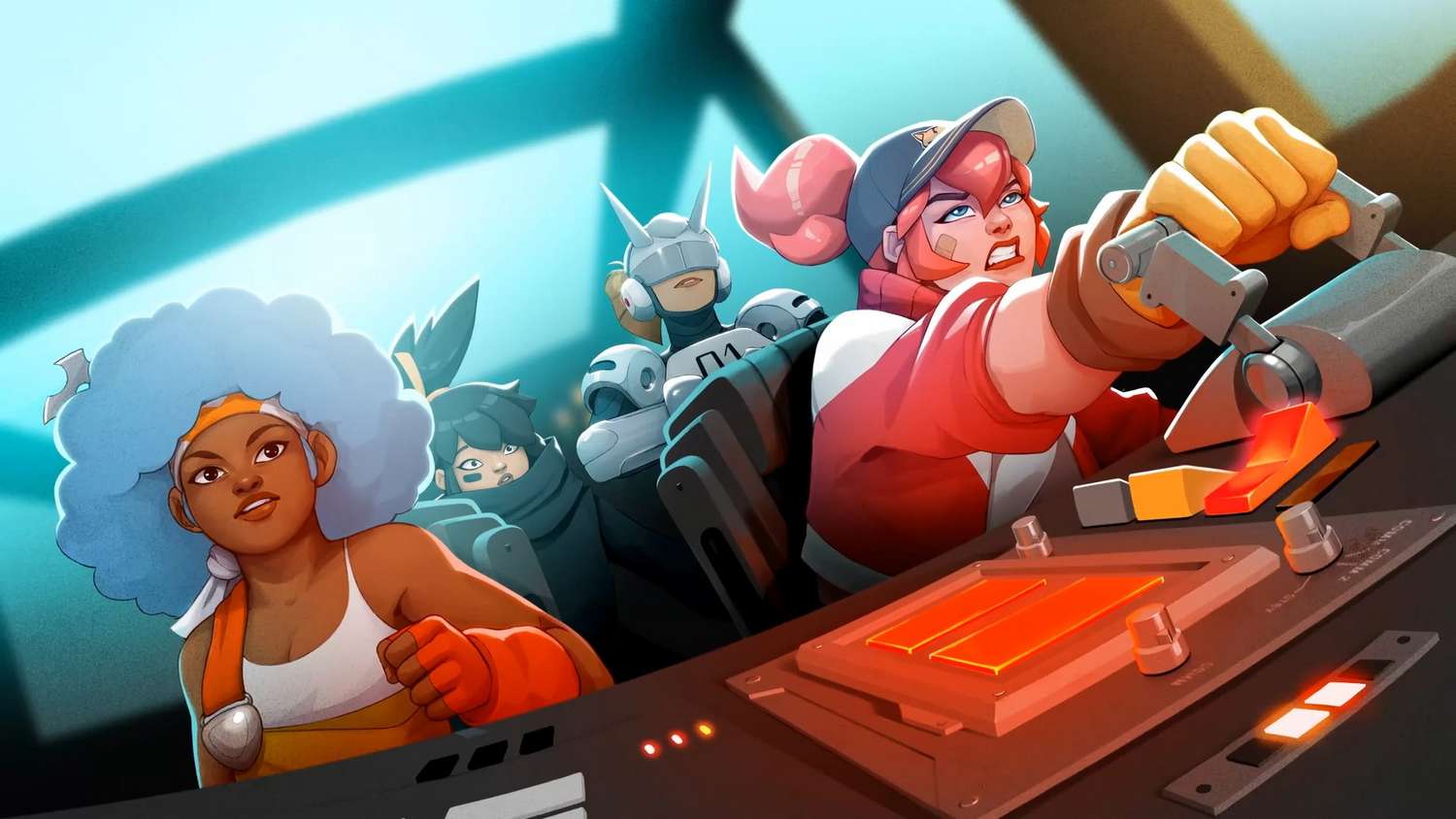
The initial appeal of Ra Ra BOOM is undeniable. Players assume the role of one of several distinct cheerleaders, each boasting unique abilities and combat styles, tasked with defending Earth from an encroaching alien menace. The visual design is striking, featuring a vibrant, neon-infused aesthetic that perfectly complements the over-the-top sci-fi theme. Character designs are imaginative, and the environments, though somewhat repetitive, are rendered with a clear artistic vision. The soundtrack, an energetic mix of electronic beats and up-tempo tracks, successfully sets a high-octane mood, ostensibly preparing players for exhilarating action.
However, once the initial spectacle fades, the underlying gameplay mechanics begin to surface, revealing a series of challenges that significantly hamper the player experience. The core issue lies in the game’s combat system and overall responsiveness. For a brawler that relies heavily on precision, timing, and coordinated attacks, Ra Ra BOOM often feels clunky and imprecise. Attacks frequently lack the satisfying impact and feedback crucial for the genre. Players often find themselves flailing against enemies, unsure if their inputs registered correctly or if their hits are genuinely connecting. This lack of responsiveness creates a disconnect, transforming what should be fluid, engaging encounters into frustrating, trial-and-error melees.
The Core Gameplay Loop and Its Stumbles
The game’s design encourages a mix of standard attacks, special abilities, and the titular “BOOM” meter, which, when filled, allows for powerful, screen-clearing maneuvers. On paper, this system offers a rich tactical layer, demanding players to manage resources and time their devastating attacks. In practice, the execution of these mechanics often feels sluggish. Movement, a critical component in any action game, can feel similarly unwieldy. Navigating tight spaces or dodging enemy attacks—actions that should be intuitive—become mini-battles in themselves, contributing to a sense of perpetual imbalance. This is particularly problematic in a game where spatial awareness and quick reactions are paramount to survival.
Furthermore, the variety in enemy types, while present, doesn’t quite alleviate the repetitive nature of the encounters. Many foes exhibit similar attack patterns or feel like damage sponges, prolonging fights without adding significant strategic depth. The difficulty curve also feels inconsistent, with sudden spikes that can overwhelm players, particularly in the later stages, not due to clever enemy design, but often due to the game’s own mechanical friction. This leads to a higher rate of player attrition and can make the value proposition of continued play diminish rapidly for many.
Cooperative Play: Amplified Frustrations
Ra Ra BOOM is clearly designed with cooperative play in mind, allowing up to four players to join forces. While theoretically enhancing the experience through teamwork, the game’s inherent mechanical issues are often amplified in a multiplayer setting. What might be a minor annoyance for a solo player—a missed dodge, a misregistered attack—becomes a significant liability when relying on teammates. The screen can quickly become a chaotic mess, making it even harder to track your character, enemies, and crucial environmental hazards. Communication becomes vital, but even flawless coordination can be undermined by the game’s control limitations. This often leads to group wipeouts that feel unfair, attributing failure more to the game’s design than to player error.
Technical Performance and Optimization Challenges
Beyond the core gameplay, Ra Ra BOOM exhibits several technical shortcomings that detract from the overall experience. Frame rate drops, particularly during intense combat sequences with multiple enemies and special effects, are not uncommon. These performance inconsistencies further exacerbate the feeling of sluggishness and can lead to missed inputs and unfair hits. Occasional bugs, ranging from minor graphical glitches to more significant collision detection issues, also punctuate the gameplay, disrupting immersion and adding to the frustration. For a game released in an era where polish and optimization are critical for competitive appeal, these issues are notable impediments to a truly premium gaming experience.
The learning curve, rather than being a natural progression, often feels like a steep, unrewarding climb. Players are forced to contend with mechanics that fight against them, rather than empowering them. This is a critical misstep for an action title, where the joy of mastery should be a primary driver for engagement and replayability. Instead, players are more likely to encounter moments of exasperation, where the sheer willpower to continue must outweigh the mounting frustrations.
A Concept Full of Promise, Held Back by Execution
Despite these significant criticisms, it’s important to acknowledge the immense potential encapsulated within Ra Ra BOOM. The concept of sci-fi cheerleaders, the vibrant art style, and the energetic soundtrack all hint at a truly remarkable game. The ambition is palpable, and there are flashes of brilliance—moments where the combat clicks, and the unique abilities truly shine. However, these moments are often fleeting, quickly overshadowed by the pervasive mechanical shortcomings.
For an indie game in a competitive market, continuous development and player feedback integration are key. Future game updates and patch notes could potentially address many of the issues highlighted. Improving hitboxes, refining controls, enhancing feedback mechanisms, and optimizing performance would go a long way in elevating the experience. Until then, Ra Ra BOOM remains a fascinating case study: a game with a fantastic premise and aesthetic that struggles to find its footing where it matters most—in its core gameplay.
In conclusion, Ra Ra BOOM is a game that is easy to admire for its creative vision but difficult to recommend wholeheartedly in its current state. Its spirited concept and unique premise are laudable, but the underlying combat system and technical performance ultimately prevent it from delivering a consistently enjoyable or rewarding experience. While the sci-fi cheerleaders possess plenty of spirit, their inability to consistently “land on their feet” in terms of fluid, responsive gameplay is a significant hurdle that players will have to contend with.