
Wizards of the Coast Survey on Spider-Man Backlash Signals Course Correction—But Is It a Cover-Up?








Popular Now
 Fall Guys
 Poppy Playtime
 Rust
Rust
 EA SPORT FC 25
 Candy Crush Saga
Among Us
Candy Crush Saga
Among Us
 Gacha Club
 Geometry Dash
 BeamNG.drive
 Brawl Stars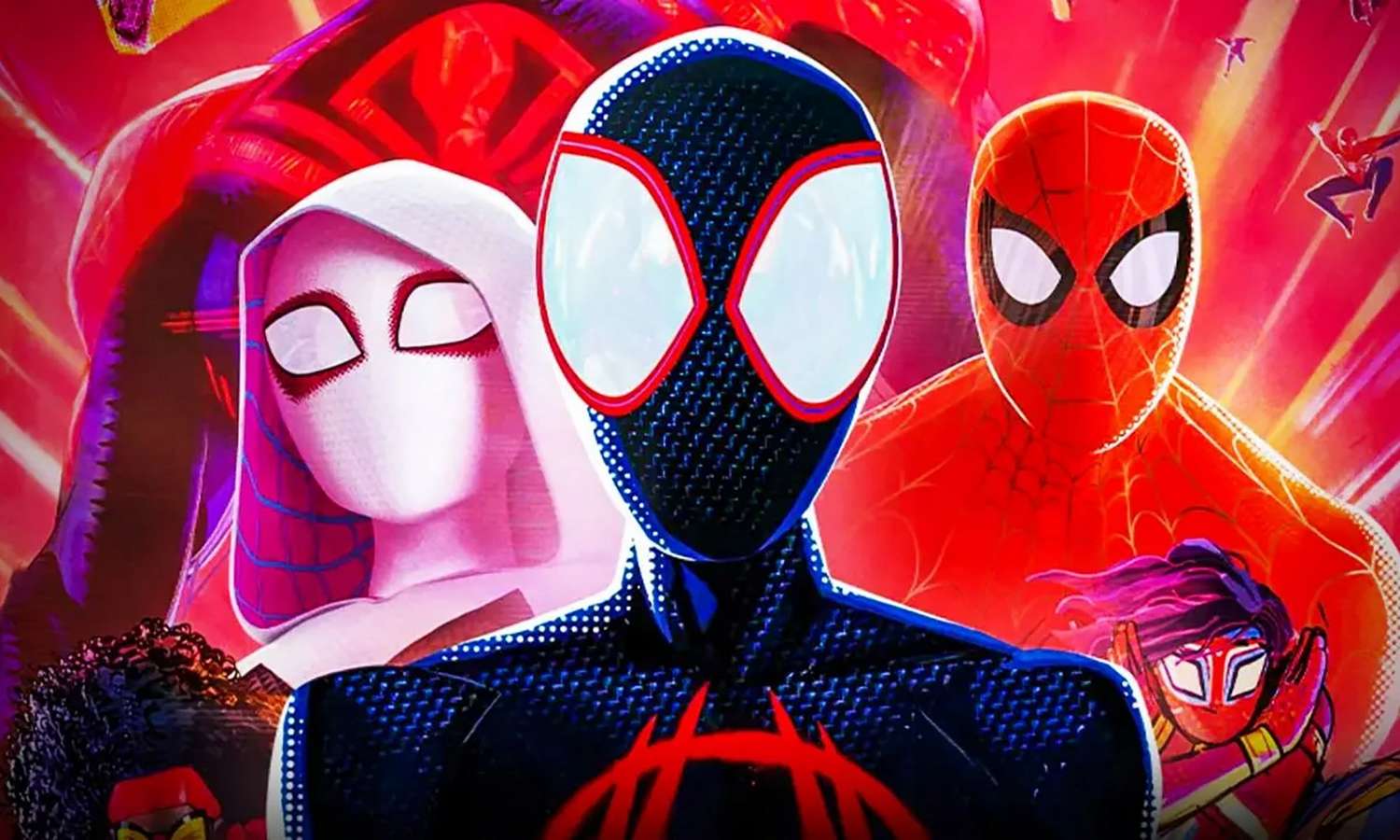
The highly anticipated, yet heavily criticized, release of the Magic: The Gathering | Marvel’s Spider-Man set has prompted a formal response from publisher Wizards of the Coast (WotC) in the form of an extensive player survey. While ostensibly a move to gauge player sentiment and inform future product development, a specific and controversial line of questioning within the survey has ignited a new firestorm, leading to accusations that WotC is attempting to shift the blame for the set’s lukewarm reception and underwhelming financial performance away from internal design and marketing decisions and onto external content creators.
The core of the matter centers on the set’s reception. Despite the enduring popularity and high CPC keywords associated with the Spider-Man IP and the Universes Beyond brand, the set has faced a barrage of critiques. Complaints range from the perceived low power level of the cards and a “rushed” feeling, to fundamental issues with the limited format (specifically the “pick-two-and-discard” draft format) and the jarring aesthetic integration of a grounded, modern-day New York City setting into the high-fantasy multiverse of MTG.
The Catch: Influencer Questioning Sparks Controversy
The internal metrics and broader community backlash have clearly motivated WotC to seek answers. The recent survey—distributed to a segment of the player base—features standard questions regarding gameplay experience, card aesthetics, and purchasing habits. However, a significant “catch” was identified by high-profile MTG content creators and players alike. Those who indicated that they received information about the Spider-Man set from influencers were reportedly presented with a follow-up query:
“To what degree did negative influencer commentary impact your perceptions of Magic: The Gathering | Marvel’s Spider-Man before the set released?”
This single question has been widely condemned across social media platforms, with several prominent figures in the TGC community labeling it a “witch hunt” or an attempt to identify scapegoats. The perception is that WotC, and by extension its parent company, Hasbro, are seeking to isolate the negative feedback from the independent gaming press and influencer marketing channels rather than addressing the product flaws that fueled the criticism in the first place. The insinuation is that the community was “talked out” of enjoying a good set, a sentiment that many find insulting to both the independent voices and the player base’s own critical judgment.
- Core Backlash Points:
- Perceived low power level of collectible cards, leading to minimal impact on competitive formats like Standard and Modern.
- Lackluster Limited Format experience due to small set size and the “pick-two” structure.
- Aesthetic disconnect between the fantasy TCG framework and the modern NYC theme.
- Overall feeling of a “rushed job” set design, often attributed to the pressure of maximizing Universes Beyond profitability.
 Financial and Design Context: A Closer Look at the Metrics
 Financial and Design Context: A Closer Look at the Metrics
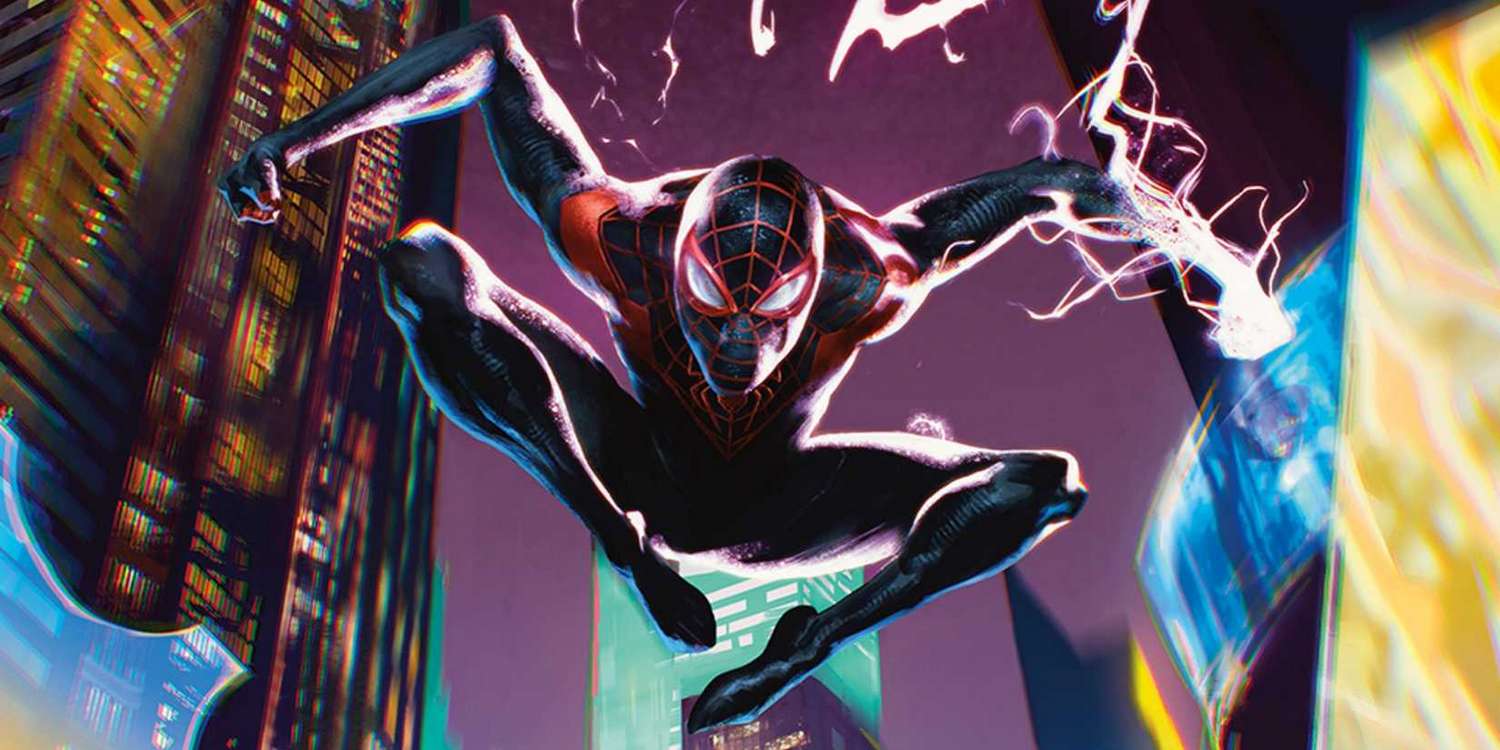
The controversy is underpinned by the set’s reported market performance. Reports from online trading platforms and collectibles markets suggest a significantly lower-than-average financial impact for a major Universes Beyond set, particularly in the secondary market value of singles and a perceived crash in Collector Booster box prices shortly after launch. This stands in stark contrast to previous blockbuster crossovers, raising concerns about the long-term sustainability and quality control of WotC’s aggressive crossover strategy.
One Redditor summarized the community’s frustration: “It’s not that we don’t want a Spider-Man set, it’s that we want a good Magic set that happens to have Spider-Man in it. This feels like an IP marketing project first and a well-designed game product second.”
The internal timing of the set’s conception is also a known factor. It was reportedly planned as a smaller release, potentially utilizing the “Beyond Booster” pack format, before being expanded to a full-sized product to fit into the competitive Standard rotation. This eleventh-hour expansion, critics argue, forced the design team to pad the set with mechanically uninspired cards and rehashed abilities, thereby justifying the higher MTG set pricing but compromising the final product’s quality.
The Path Forward for Wizards and Universes Beyond
The survey is, at the very least, an acknowledgment from WotC that the Spider-Man set did not land as intended. However, the attempt to quantify the negative influence of content creators risks alienating the very community figures who act as essential, organic marketing conduits. For the $50 Billion dollar industry of trading card games, maintaining a healthy relationship with both its player base and its community advocates is paramount.
Moving forward, the results of this survey will be critical. If WotC uses the data to genuinely refine its design philosophy—perhaps by ensuring future Universes Beyond releases like the upcoming PlayStation properties or Star Trek sets adhere to rigorous Limited Play standards and higher power-level thresholds—it may yet restore confidence. Conversely, if the focus remains on controlling the narrative and minimizing the impact of critical voices, the community may see this as a warning sign of an increasing disconnect between corporate strategy and player satisfaction.
 Ultimately, WotC needs to demonstrate that it values the value proposition of a quality game over the sheer volume of new product releases. The market has delivered its verdict on the Spider-Man set; now it’s up to the publisher to show it’s listening to the why, not just the who.